Working Hours
Monday to Friday: 09:00 AM – 06:00 PM Saturday–Sunday: ClosedContact Information
Republic of Armenia, Yerevan, 0025, 15 Charents Street Email:info@iae.am Phone:+37410-55-26-45Find us on Facebook
Book presentation: "Shamut: A Brief Historical-Geographical Overview: Ethnography, Folklore, Dialect"
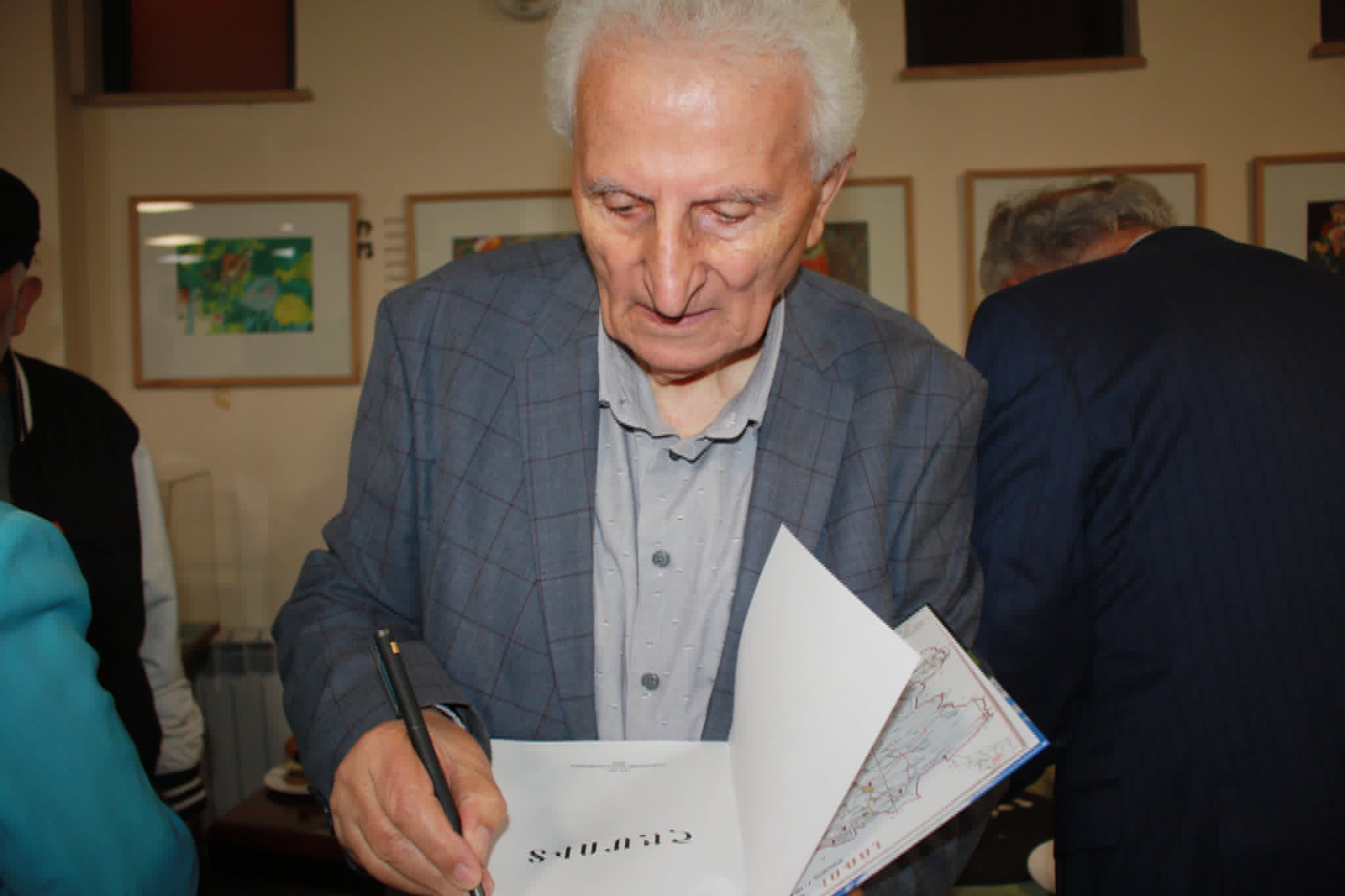
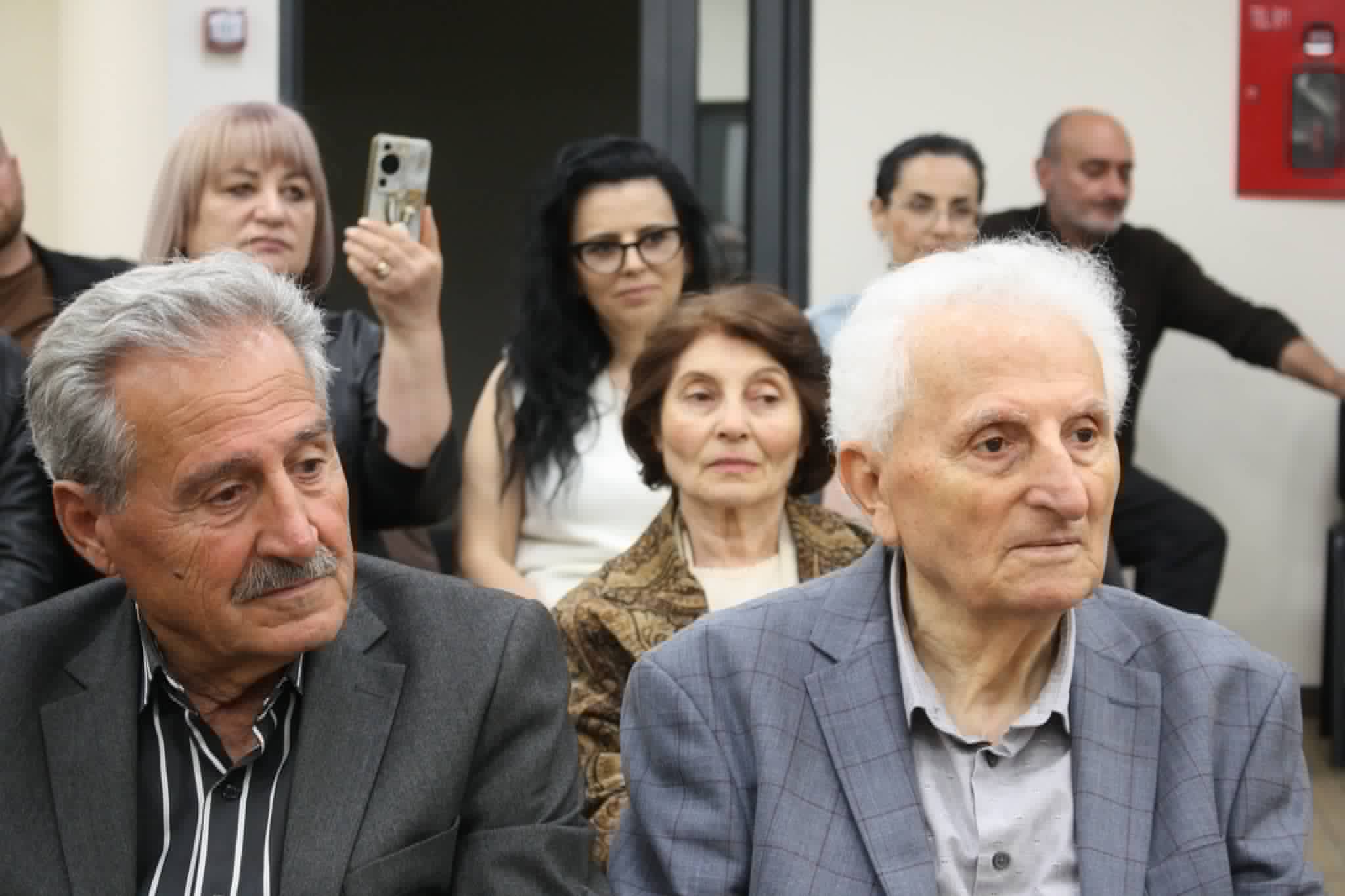
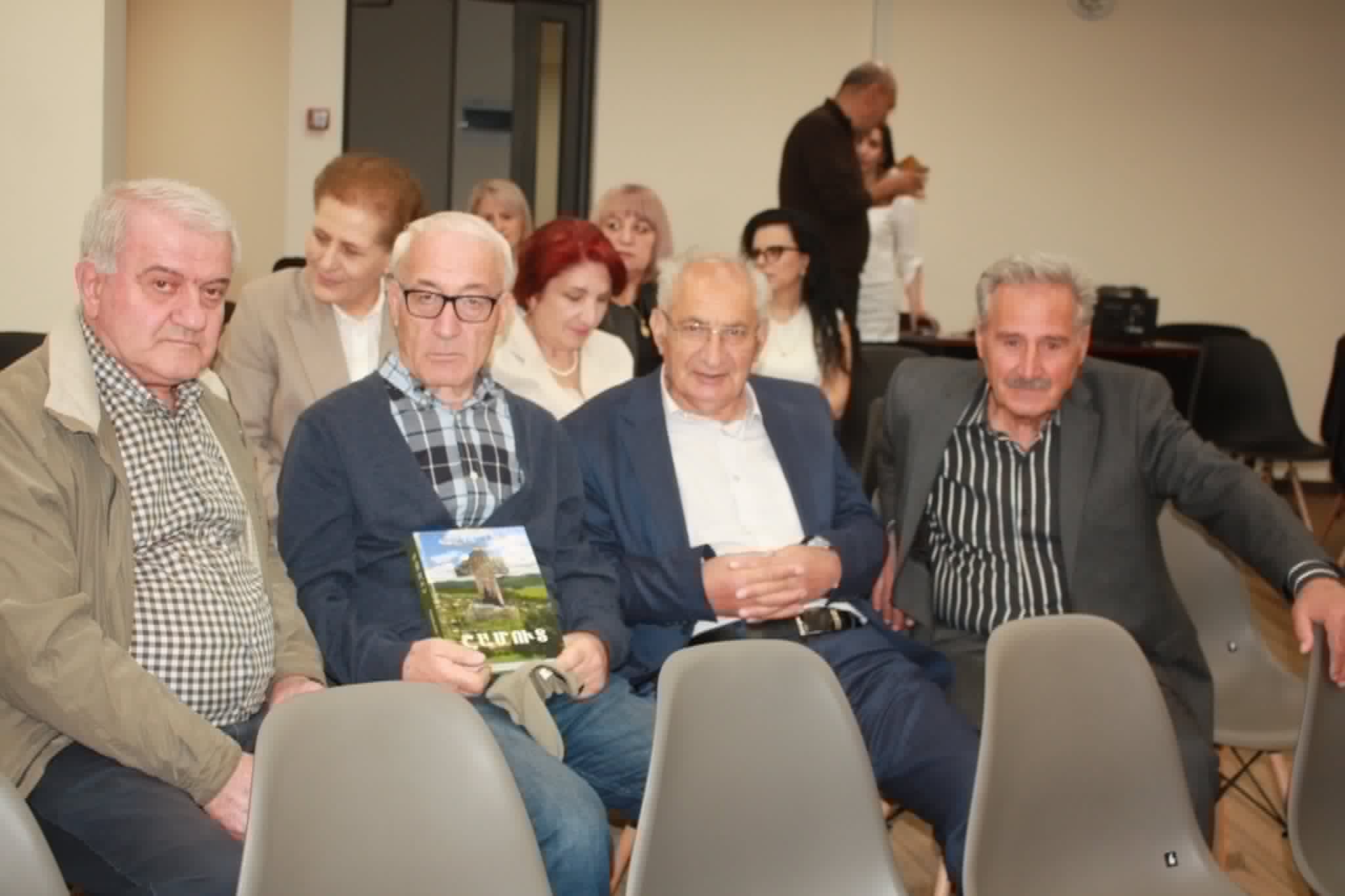
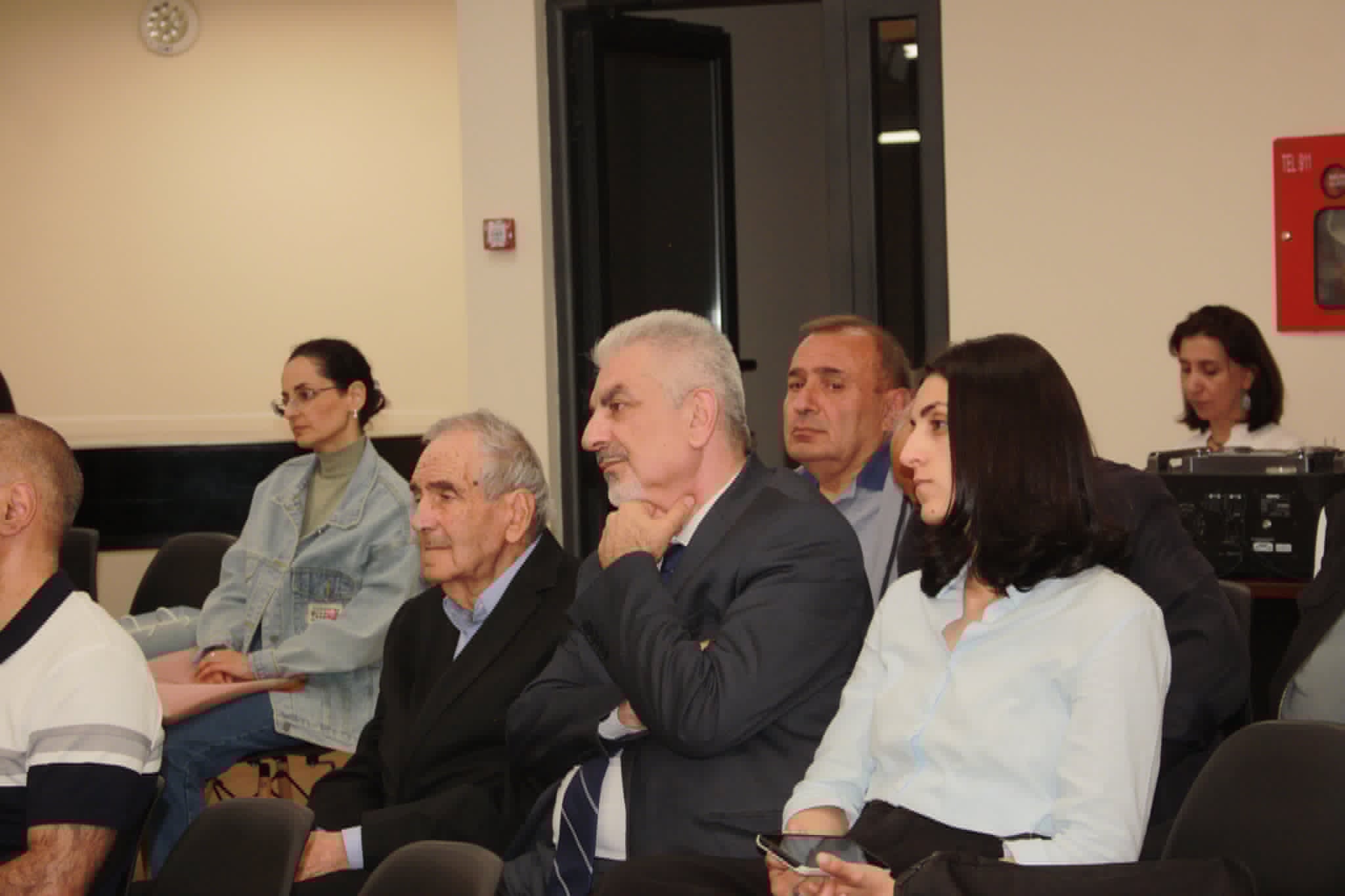
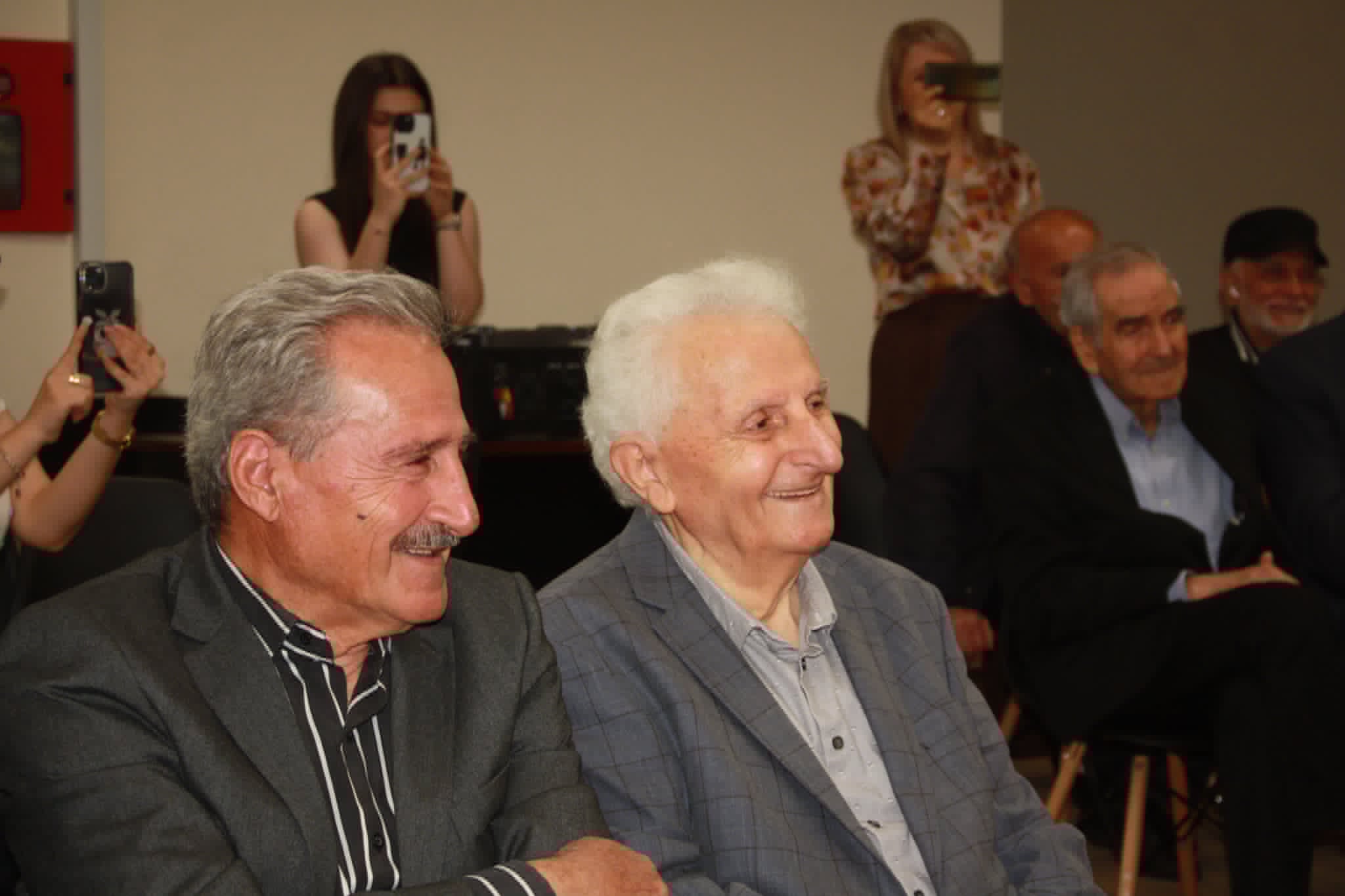
On May 22, the presentation of the book "Shamut: A Brief Historical-Geographical Overview: Ethnography, Folklore, Dialect" by Dr. Armen Sh. Sargsyan, Doctor of Biological Sciences and researcher at the Institute of Archaeology and Ethnography of the NAS RA, took place at the Hrant Matevosyan Cultural Center-Museum.
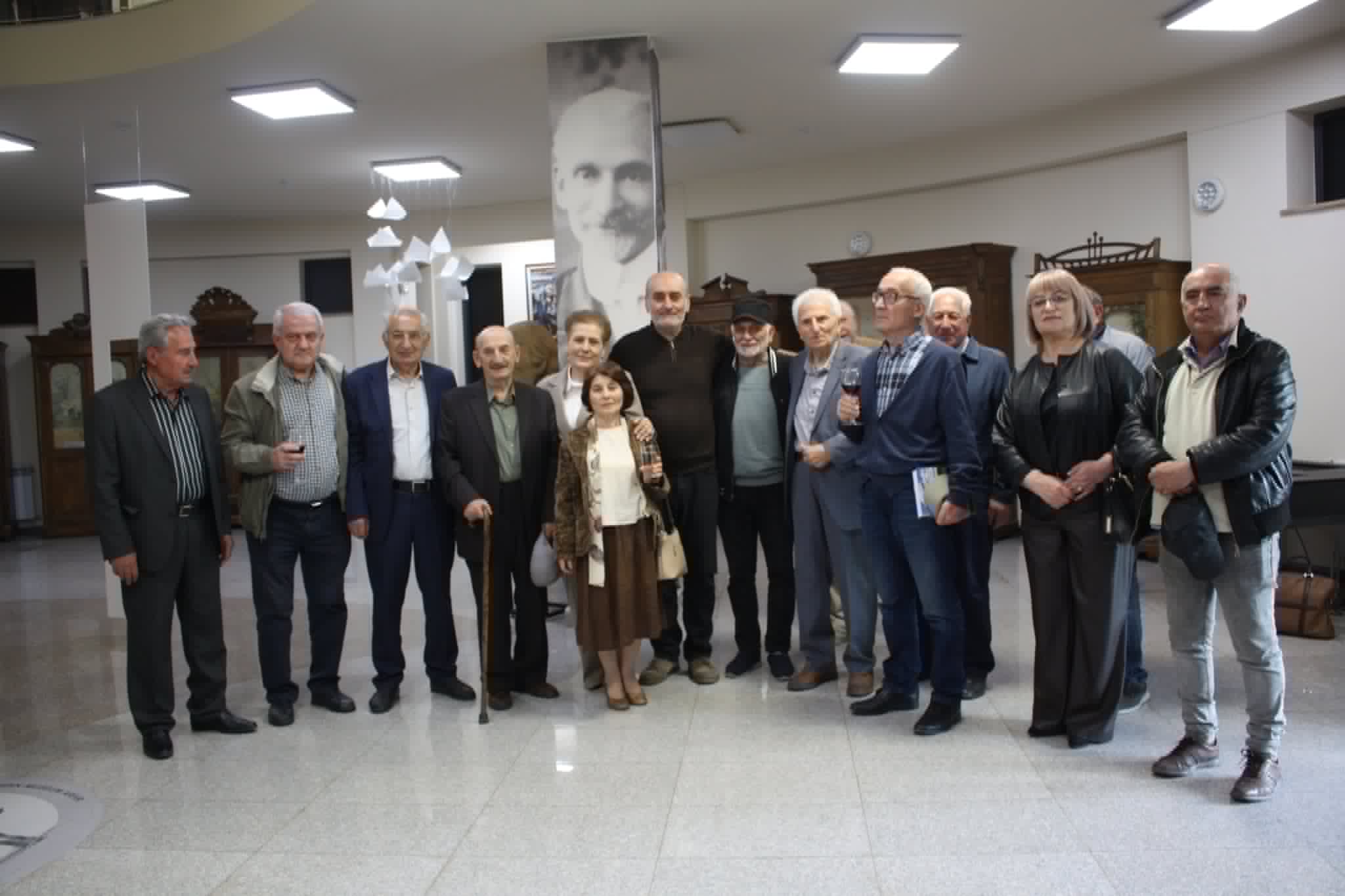
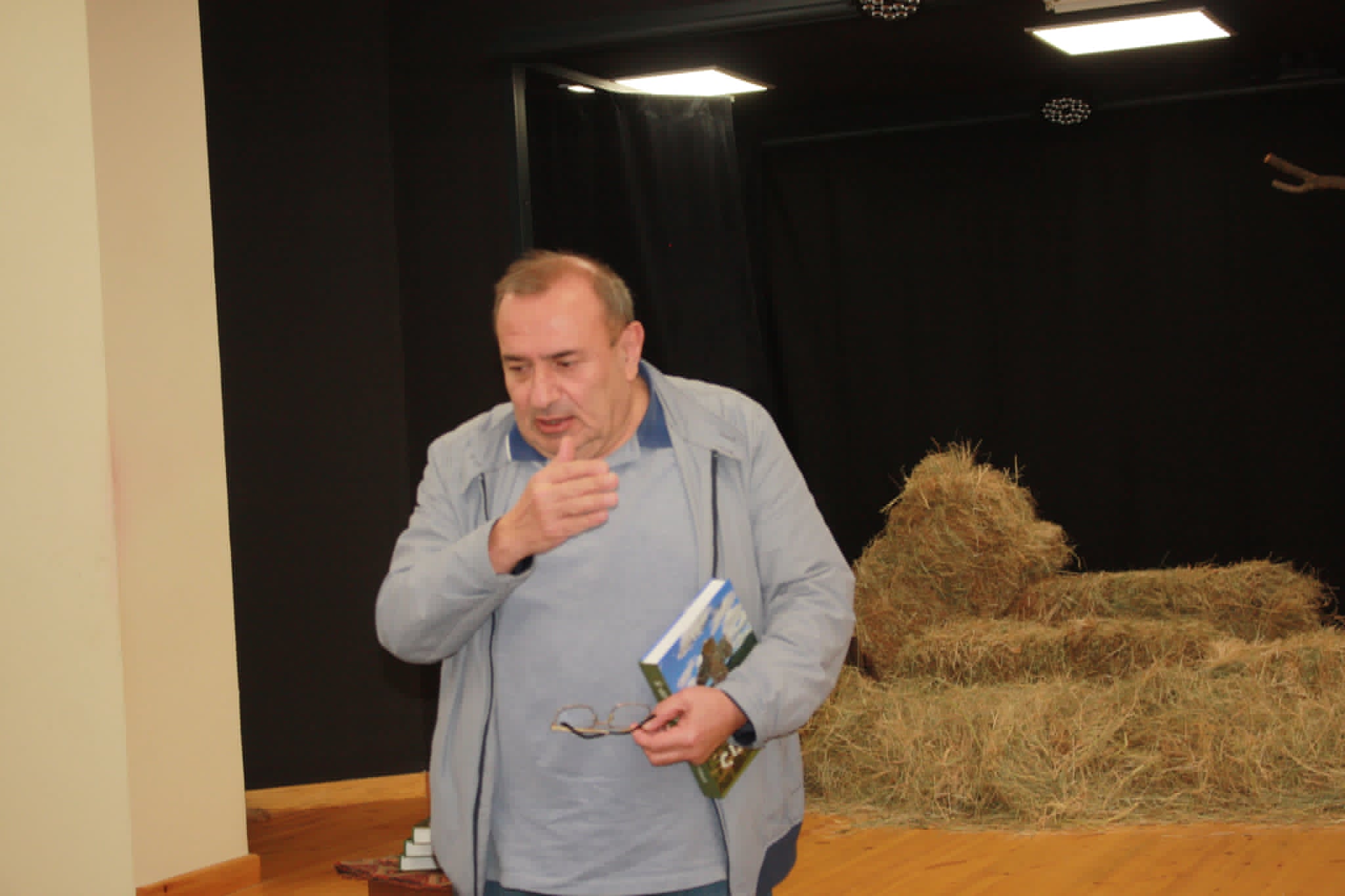
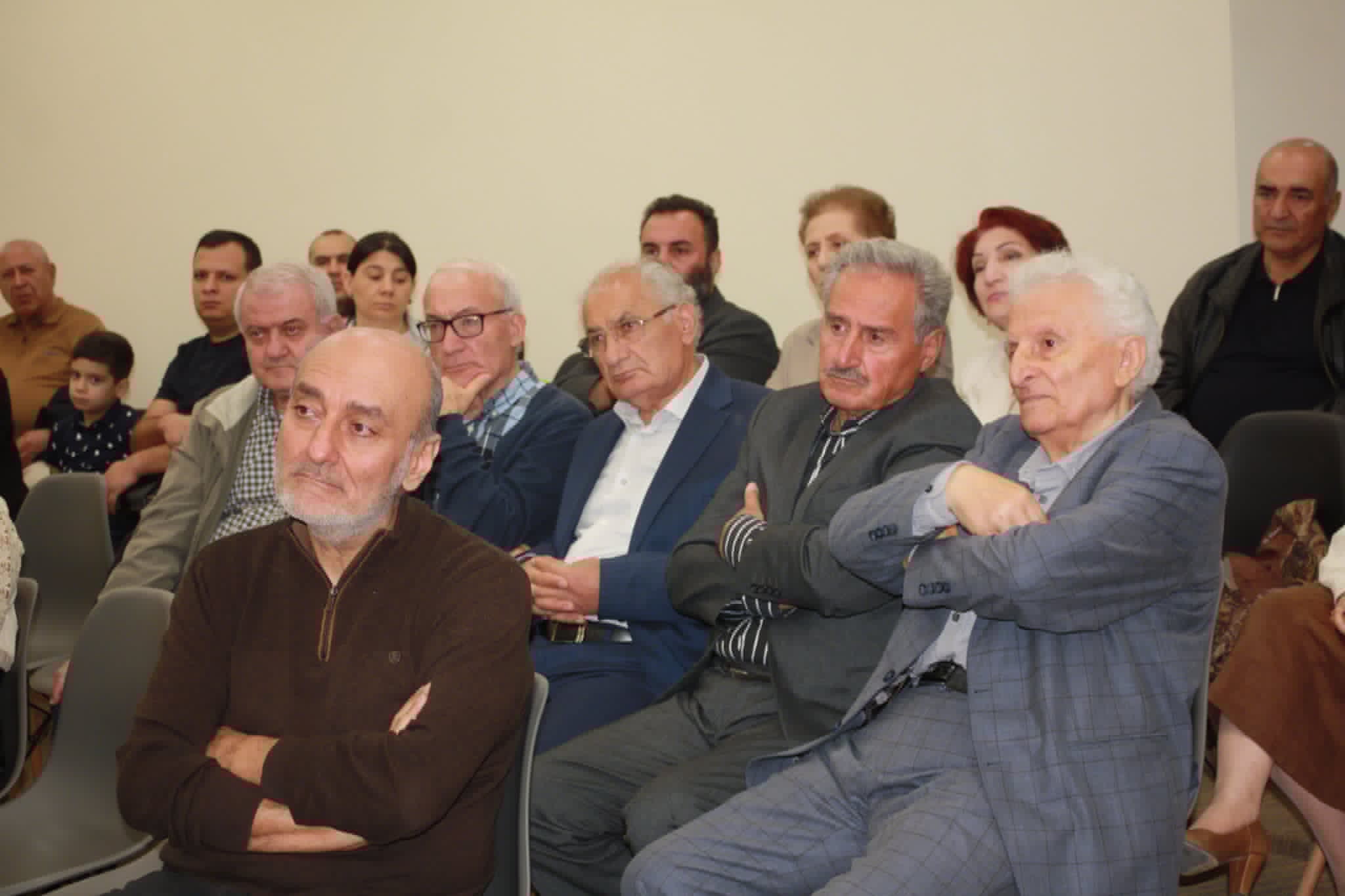
The event was attended by representatives of various cultural spheres, natives of Shamut, relatives of Armen Sh. Sargsyan, employees of the Institute of Archaeology and Ethnography, and other guests. The attendees were welcomed by Davit Matevosyan, Director of the Hrant Matevosyan Cultural Center-Museum, who emphasized the value and significance of Armen Sh. Sargsyan’s work. A speech of appreciation regarding the book was delivered by Dr. Hakob Cholakyan, Doctor of Historical Sciences and researcher at the Institute of Archaeology and Ethnography.
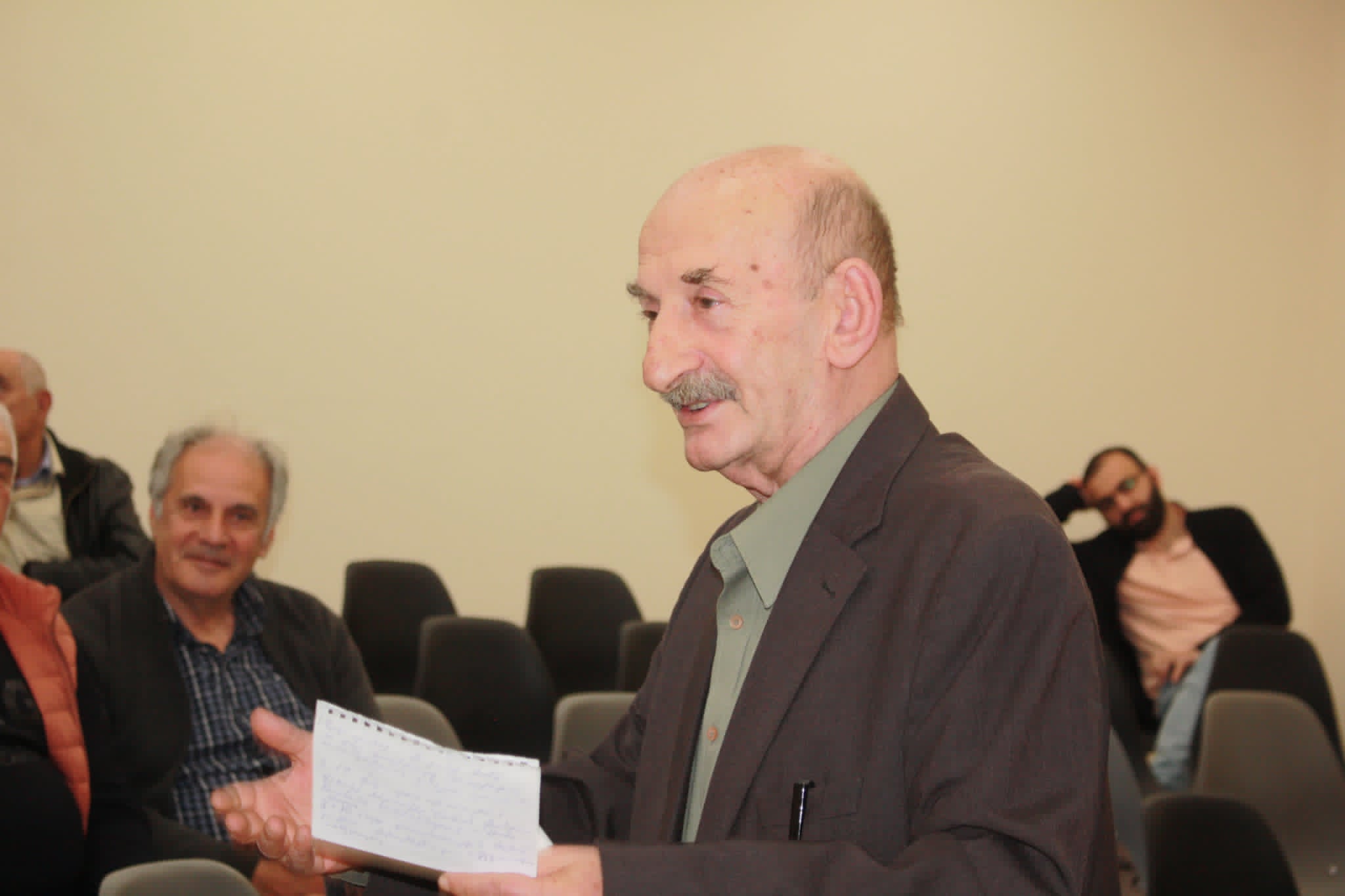
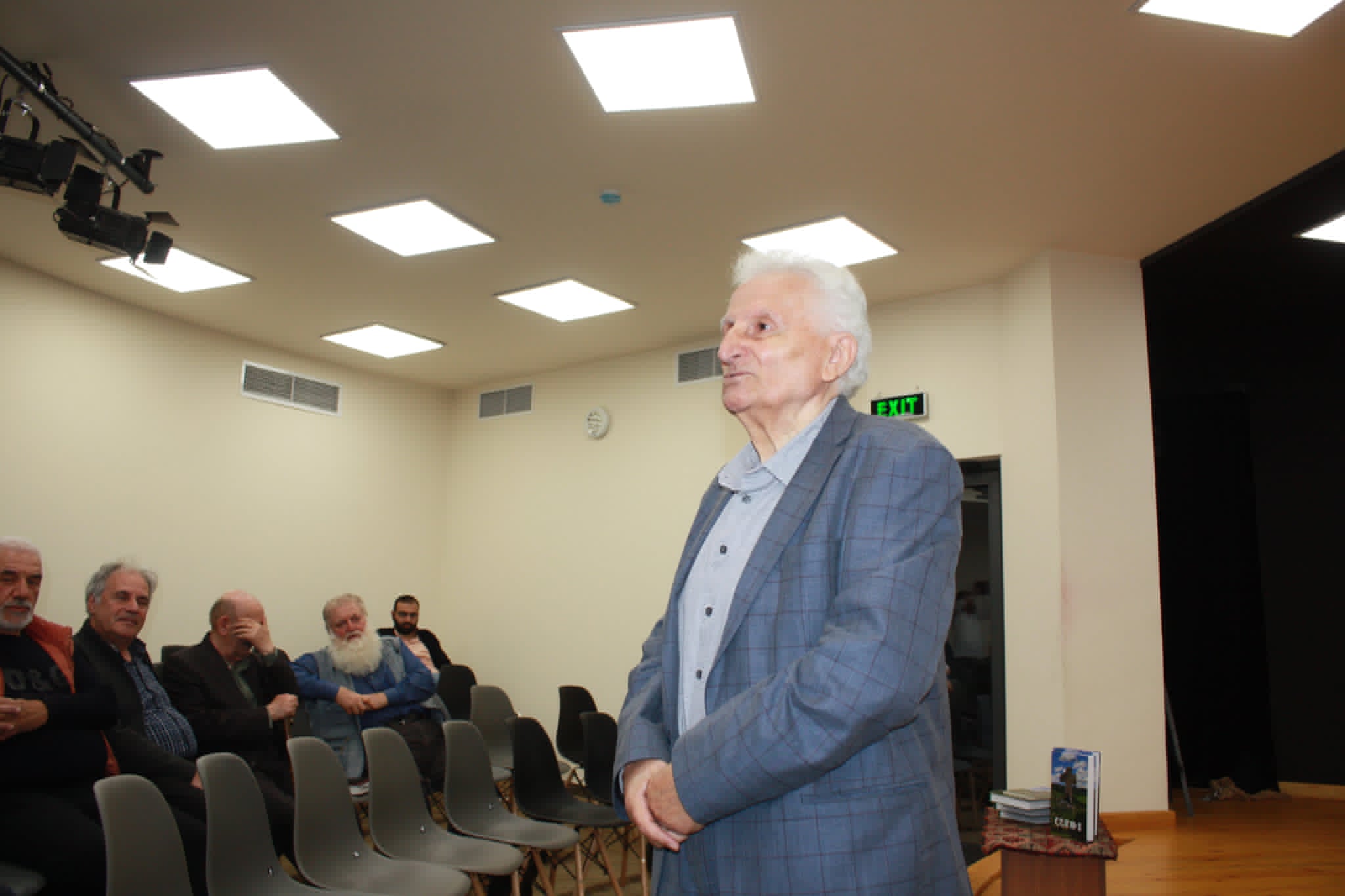
The author spoke about the history of the book’s creation, the results of nearly half a century of work, and the course of the research, expressing gratitude to all those who supported him. The importance of the book was also emphasized and highly praised by the other speakers. The attendees had the opportunity to ask questions to the author and discuss various topics addressed in the work.
The book "Shamut" is dedicated to the village of Shamut in the Lori Province of the historical Gugark region and to its 163-year history. It is intended not only for the people of Shamut, but also for folklorists, ethnographers, linguists, cultural scholars, and other specialists. The book is dedicated to those natives of Shamut who have passed away but remain immortalized in the memory of generations through their good deeds. As an epigraph, the author chose the words of Hrant Matevosyan: “Man and beast are distinguished from one another by memory. Memory stands between man and beast. If you exist in memory, then you burn, you are human, you carry burdens, you are restless. If you do not exist in memory — there, in the open field, the cow grazes without memories, while the calf was slaughtered only yesterday.”
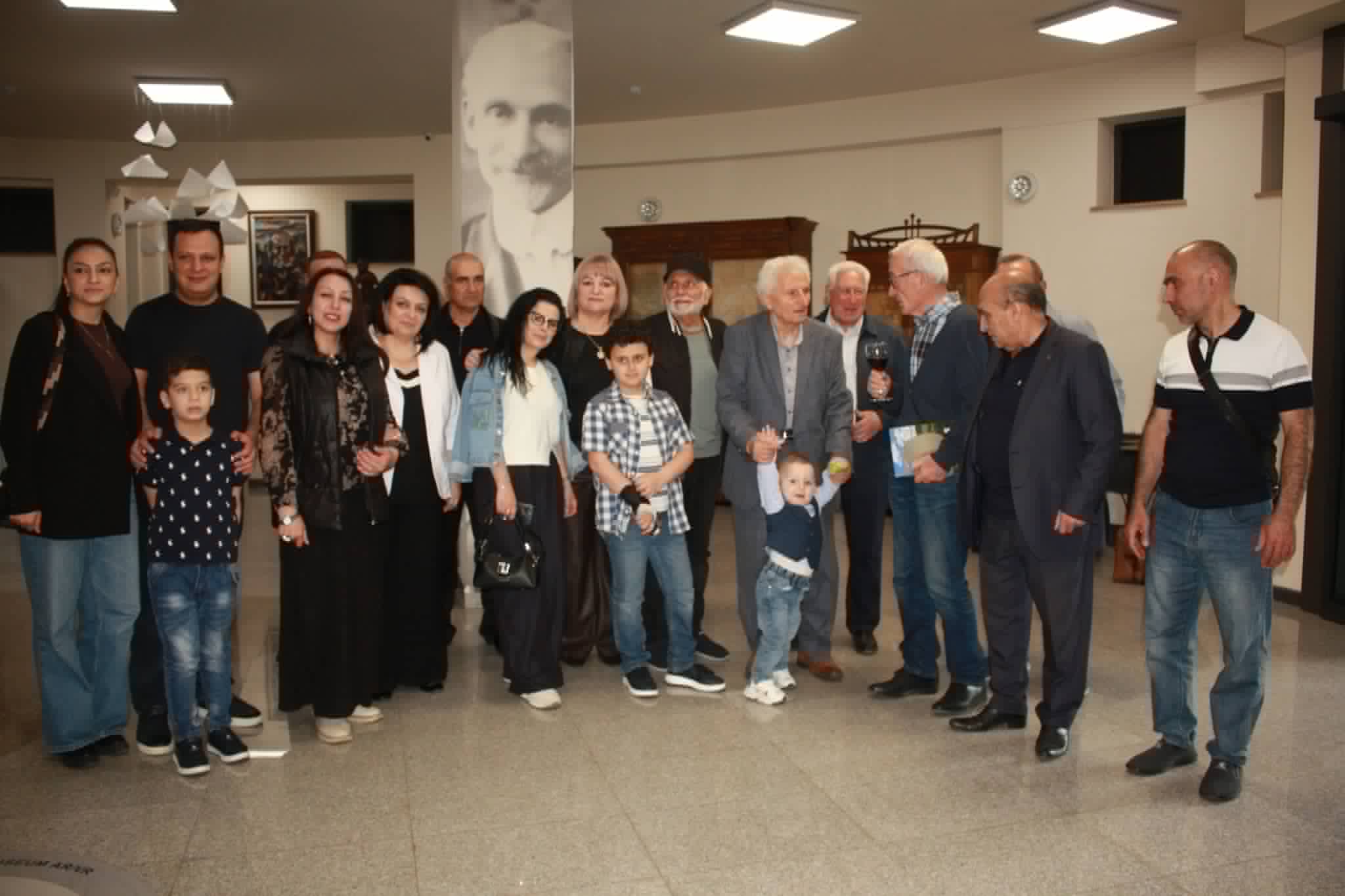
At the end of the presentation, the author presented signed copies of the book to the attendees.
